
How Humidity and Heat Affect Your Roof in Maryland Summers

Maryland summers are no joke. Between July heat waves pushing temperatures into the upper 90s and humidity levels that make it feel even worse, your roof takes a serious beating from June through August. Most homeowners think about their roof only when there is a visible leak or missing shingle. But the damage from heat and humidity often builds quietly over months, and by the time it shows up inside the house, the repair bill is already climbing.
Understanding what summer weather actually does to roofing materials helps you catch problems early and make smarter decisions about maintenance and replacement. Here is what every Maryland homeowner should know.
What Does Heat Actually Do to Roofing Materials?
Heat does not just make shingles hot to the touch. It causes them to expand. When temperatures drop at night, they contract. This daily cycle of expansion and contraction happens hundreds of times over the life of your roof, and over time it puts real stress on the materials.
Asphalt shingles, which are the most common roofing material in the region, are particularly vulnerable to thermal cycling. The granules embedded in shingles start to loosen as the underlying asphalt softens in heat. Once granules dislodge, the shingle loses its UV protection layer and starts aging much faster. If you have noticed dark or bare patches on shingles, or found granules collecting in your gutters, that is thermal degradation at work.
A roof that was already aging before summer hits is at the highest risk. If your roof is anywhere from 17 to 25 years old, repeated heat exposure may push it past the point where repairs make financial sense. Our residential roofing in Timonium Maryland includes free consultations to help you figure out whether a repair or full replacement is the right call.
How Humidity Gets Into Places You Cannot See
Heat gets most of the attention, but humidity is often the bigger threat to a Maryland roof over the long term. When warm, moisture-laden air rises and contacts cooler surfaces under your roof deck, condensation forms. That moisture soaks into wood decking and structural components. Over time, it creates conditions where mold, rot, and wood degradation take hold.
The tricky part is that this damage is almost entirely hidden. You will not see it from the ground, and you will not feel it until water starts staining your ceiling or walls. By that point, the rot has usually spread beyond just the surface layer.
Proper attic ventilation is the primary defense against this. When hot, humid air is allowed to move through the attic and exit through ridge vents or soffit vents, it cannot linger long enough to condense on structural surfaces. Many older homes in Baltimore County and the surrounding areas were built without adequate ventilation standards for today’s climate demands. If your attic feels like an oven in July, that is a warning sign worth paying attention to.
The Hidden Danger: Thermal Shock on Flat or Low-Slope Sections
Most residential roofs in Maryland have pitched sections, but many homes also include flat or low-slope areas over garages, additions, or rear extensions. These sections experience something called thermal shock more acutely than pitched roofs do.
Thermal shock happens when a surface heats up rapidly under direct sun and then cools quickly during a summer thunderstorm. The sudden temperature drop causes roofing membranes to contract sharply, and repeated cycles crack seams and flashings. Flashings around chimneys, skylights, and vents are the most vulnerable points.
This is one reason why summer storms in Maryland are so often followed by calls about new leaks. The storm itself may not cause the damage. The combination of heat-expanded materials and sudden cooling is what finally opens a gap. If your home has any flat-roof sections, getting them inspected before peak summer is a smart move.
What UV Exposure Does Over Time
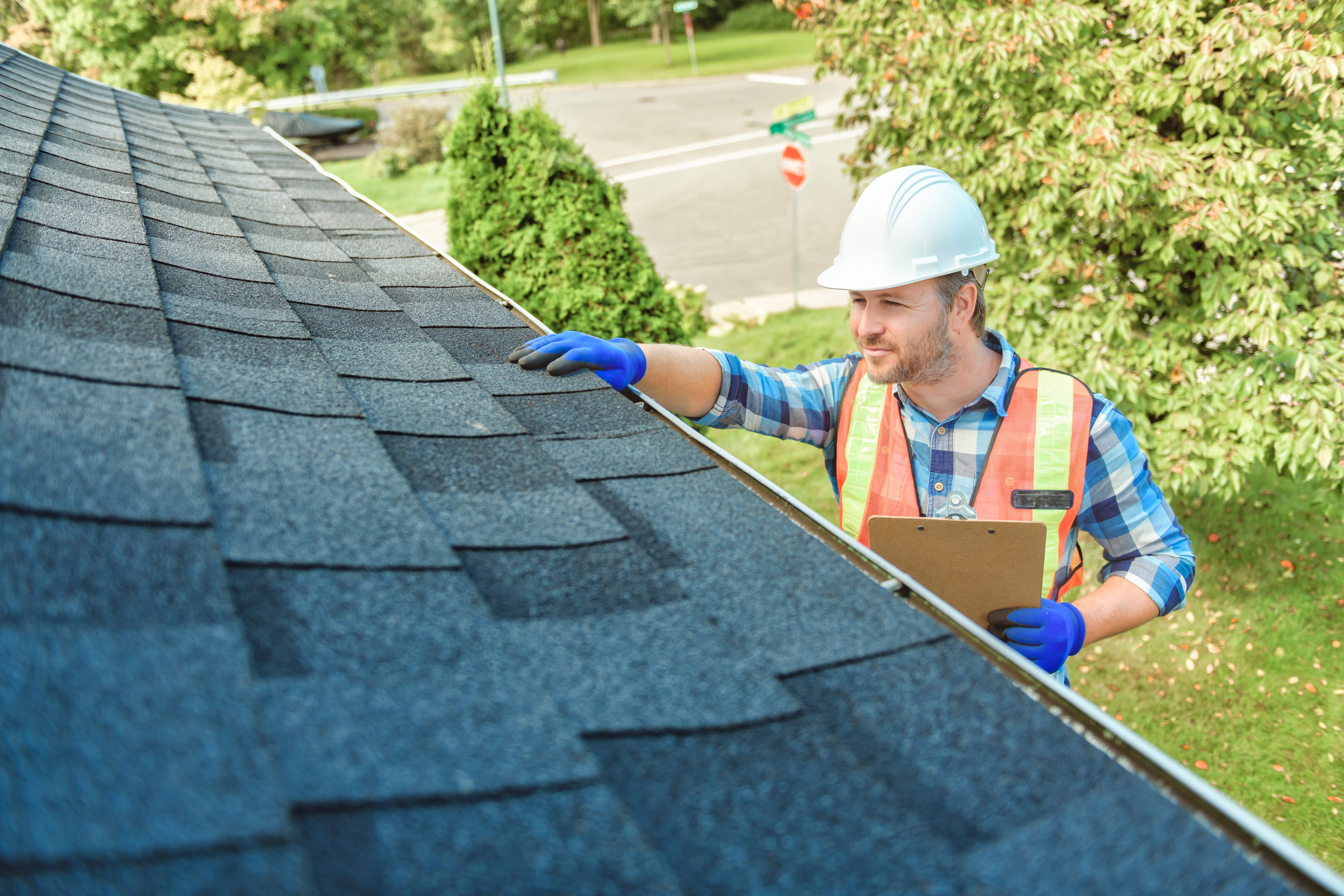
Direct sun exposure degrades roofing materials at the molecular level. UV rays break down the oils that keep asphalt flexible. As those oils evaporate, shingles become brittle and are far more likely to crack under physical stress, whether that is foot traffic, a falling branch, or simply the pressure of heavy rain.
Homes that face south or southwest tend to see this degradation faster because those roof faces receive the most direct summer sun. If you have ever noticed that one side of your roof looks noticeably older or more worn than the other, UV exposure is almost certainly the reason.
Some homeowners looking for roofing services in Timonium Maryland and the surrounding areas have moved toward impact-resistant or algae-resistant shingle options specifically because of how the local climate accelerates this type of wear. Our team can walk you through the material options that perform best under Maryland’s specific heat and UV profile during a free estimate consultation.
Does Humidity Affect Gutters Too?
It does, and this is something many homeowners overlook entirely. Gutters that are clogged with debris trap moisture against your fascia boards and roof edge. In summer, that trapped moisture combined with heat creates ideal conditions for wood rot at the roofline.
Beyond rot, clogged gutters cause water to back up under shingles during heavy rain. That water intrusion then adds to the humidity-related damage happening from the inside out. Keeping gutters clean and properly functioning is one of the most cost-effective ways to protect your roof during summer months.
If your gutters are pulling away from the house, showing rust spots, or clogging frequently, those are signs the system needs attention. Our gutter installation in Timonium Maryland includes seamless gutter systems and gutter covers specifically designed to reduce clogging and
direct water away from your home more effectively.
Signs Summer Heat and Humidity Have Already Caused Damage
Not all roof damage announces itself with an obvious leak. These are the signs that warrant a closer look during or after summer:
Shingle changes visible from the ground. Curling edges, cupped centers, or shingles that appear to have shifted position are all signs of heat-related damage. Curling typically indicates that the shingles have lost moisture and become rigid.
Dark streaks running down the roof. These are usually caused by algae, which thrive in humid conditions. Algae itself does not destroy shingles immediately, but it holds moisture against the surface and speeds up degradation over time.
Peeling or bubbling near the roofline inside your attic. If you look into your attic and see any paint bubbling on the underside of the roof deck, or feel unusually high humidity up there, that is a sign ventilation is not working properly and moisture is accumulating.
Water stains on ceilings after storms. This is the most obvious sign. Even a small stain should be investigated quickly. What starts as a minor intrusion point typically expands every time rain hits the same spot.
If you are seeing any of these warning signs, getting a professional inspection before the problem worsens is worth the time. We serve homeowners across Baltimore County, Howard County, Anne Arundel County, Harford County, and surrounding areas.
Does Siding Take Heat and Humidity Damage Too?
Your roof is the first line of defense, but siding works alongside it to protect your home’s structure. Vinyl siding expands and contracts with temperature changes, just like roofing materials do. When siding starts to warp, buckle, or gap, it creates entry points for moisture that can work its way into wall cavities and cause the same kind of hidden damage that happens under a compromised roof.
If you have noticed sections of your siding pulling away from the wall or looking wavy, summer heat may have exceeded the material’s tolerance. Upgrading to higher-quality siding installation in Timonium Maryland with materials rated for broader temperature ranges can reduce this issue significantly.
Frequently Asked Questions
How often should I inspect my roof during summer in Maryland?
At minimum, do a visual check from the ground after any significant storm. A professional inspection once a year, ideally in late spring before peak heat, gives you the best opportunity to catch problems before they worsen through July and August. We recommend scheduling an inspection if your roof is older than 15 years.
Can heat alone cause a roof to fail without any storm damage?
Yes. Prolonged thermal cycling weakens the bond between shingle layers and loosens granule coverage over time. Roofs that were borderline before summer often reach the end of their useful life during or just after peak heat season, even without any dramatic storm event.
What is the best roofing material for Maryland’s summer climate?
Architectural shingles from manufacturers like CertainTeed and GAF are well-suited for Maryland’s climate. They offer impact resistance, better granule adhesion, and stronger wind ratings than standard three-tab shingles. Both product lines are options we work with regularly for roof replacement in Timonium Maryland.
How does attic ventilation affect my roof’s lifespan in summer?
Poor ventilation traps heat and humidity in the attic, which accelerates shingle degradation from below while moisture condenses on structural wood. A well-ventilated attic can meaningfully extend the life of your roof by keeping temperatures and moisture levels within a manageable range.
What should I do if I notice algae streaks on my roof in summer?
Algae streaks are a sign of moisture retention on the roof surface. While they are treatable, the underlying issue is usually about shingle age and surface condition. If streaks are widespread, it is worth having the roof assessed to determine whether treatment alone is sufficient or whether replacement makes more sense.
Conclusion
Maryland summers put more stress on roofing systems than most homeowners realize. Heat causes materials to expand and age faster. Humidity works its way into structures you cannot see until the damage is significant. UV exposure degrades shingles year after year. And when a summer storm hits an already-weakened roof, the results are expensive.
The good news is that most of this damage is preventable or manageable with timely inspections and the right materials. Homelife Roofing & Remodeling has replaced thousands of roofs across the greater Baltimore and Washington DC region, and we offer free consultations with no payment required until the job is done right. If you want to know where your roof stands heading into the rest of this summer, schedule a free estimate and we will give you an honest assessment.