
Fall Roof Maintenance Checklist: Preparing Your Roof for Maryland’s Changing Seasons
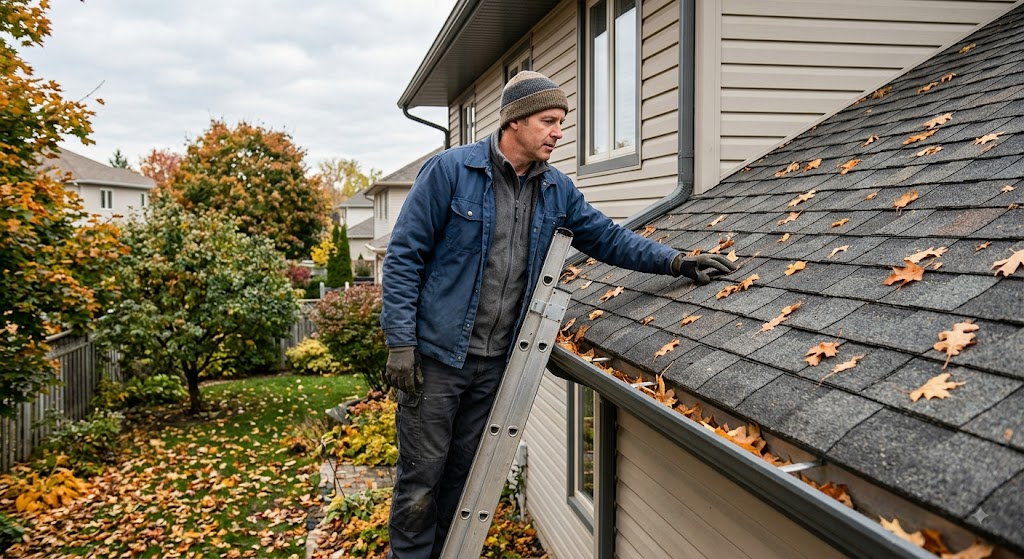
A fall roof maintenance checklist should cover gutter cleaning, shingle inspection, flashing checks, attic ventilation, and trimming nearby tree branches. Doing these five things before the first hard freeze gives your roof the best chance of getting through a Maryland winter without a surprise leak. Here’s a walk through each step below, along with a few things homeowners often miss.
Why Fall Is the Right Time to Check Your Roof
Fall is the best time to inspect a roof because temperatures are mild enough for a thorough check, and any repairs found can be finished before ice and snow make the job harder and more expensive. Waiting until winter means smaller problems have more time to turn into bigger ones, often right when the weather makes them hardest to fix.
Maryland roofs go through a lot between one fall and the next. Summer sun bakes shingles and dries out the oils that keep them flexible. Storms in July and August can loosen granules or crack seals without leaving obvious signs from the ground. By the time September and October roll around, a roof that looked fine in June may already be carrying small issues that are easy to miss unless you know where to look.
Cold weather makes every roofing problem worse. Water that seeps into a small crack will freeze, expand, and turn that crack into a bigger one. Ice that forms along a clogged gutter can back up under shingles and find its way into your attic. None of this happens overnight, which is why a fall inspection every year is worth scheduling. There’s still time to catch it and fix it before winter turns a minor repair into a major one.
What Should Be On Your Fall Roof Maintenance Checklist?
A complete fall roof maintenance checklist includes five main tasks: clearing gutters and downspouts, inspecting shingles for damage, checking flashing around chimneys and vents, confirming attic insulation and ventilation are working properly, and trimming back any tree limbs hanging over the roof. Each one addresses a different way that fall and winter weather can damage your home.
Here’s the short version if you’re working from a list:
- Clean out gutters and downspouts so water has somewhere to go
- Walk the roofline (or have a professional do it) and look for cracked, curling, or missing shingles
- Check flashing around chimneys, skylights, and vent pipes for gaps or rust
- Make sure attic insulation and ventilation are doing their job
- Cut back branches that hang over or touch the roof
Homeowners who handle even a few of these themselves each fall tend to catch problems earlier and spend less on repairs over time. The rest are worth a professional set of eyes, and it’s exactly the kind of check covered by roofing services in Timonium, Maryland.
How Do You Clean Gutters the Right Way Before Winter?
Gutters should be cleared of leaves, seed pods, and granule buildup, then flushed with a hose to confirm water flows freely to each downspout. This is best done after most of the leaves have fallen, which in Maryland usually means late October or early November, though a first pass in September catches whatever has already accumulated over summer.
Clogged gutters are one of the most common causes of fall and winter roof damage, and they affect the roof more directly than most homeowners realize. When a downspout is blocked, water has nowhere to go, so it pools along the roofline instead. That standing water can seep under the edge of your shingles, soak into the fascia board, or freeze into ice that expands and lifts shingles from underneath.
A few things homeowners commonly get wrong when cleaning gutters on their own:
They stop after removing the visible leaves on top, without checking the bottom of the gutter for compacted debris that’s been sitting there for months. They also skip the downspouts entirely, assuming that if water is flowing out the end, the whole system is clear. In reality, a partial clog inside the downspout can slow drainage enough to cause overflow during a heavy fall rain, even if a little water is still trickling out.
If your home is surrounded by mature trees, which is common throughout Timonium and the surrounding Baltimore County area, gutter guards can cut down on how often you need to clean them by hand. They’re not maintenance free, but they reduce the volume of debris that makes it into the gutters in the first place.
What Roof Damage Should You Look For in the Fall?
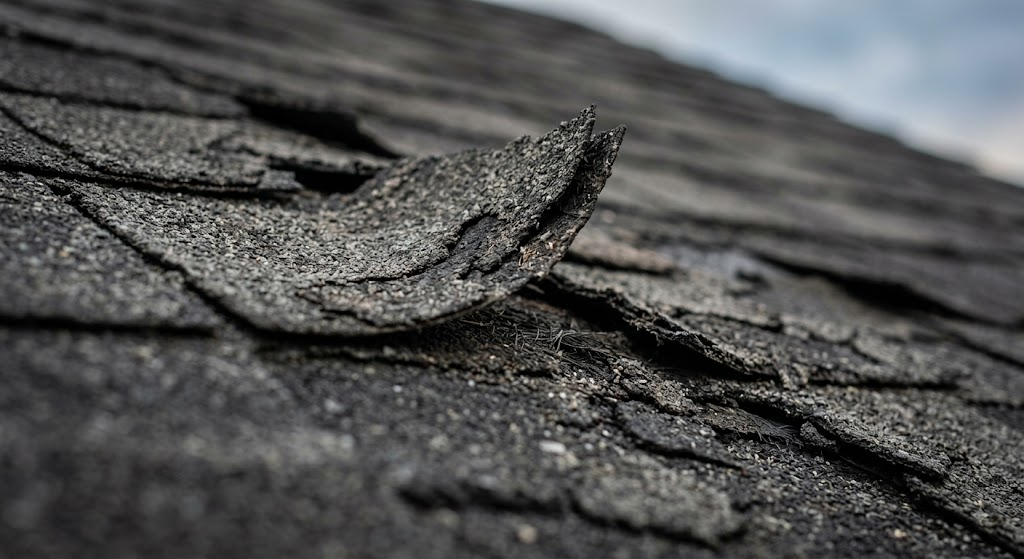
Fall roof inspections should focus on cracked, curling, or missing shingles, granules collecting in the gutters, soft spots when walking the roof, and any daylight visible through the attic boards. These signs point to a roof that’s aging or was damaged during summer storms and needs attention before winter weather arrives.
Shingles take the brunt of Maryland’s weather every year, and by fall, a roof that’s several years old is showing whatever wear it’s picked up. Cracking usually shows up first along the edges of each shingle, where constant expansion and contraction from heat and cold puts the most stress on the material. Curling, where the corners of a shingle lift away from the roof, often means the shingle has lost the oils that kept it flexible and is nearing the end of its useful life.
Granule loss is easy to miss from the ground but shows up clearly in your gutters. Those small mineral granules are what protect the asphalt underneath from UV damage, and a shingle that’s shedding a lot of them has lost a layer of protection it needs. A few granules after a new roof is normal. A steady stream of them every time it rains is not.
If you’re not sure whether what you’re seeing is a minor issue or a sign of something bigger, a roof repair in Timonium, Maryland inspection can settle it before you spend a winter wondering. Catching wear early is almost always cheaper than waiting for it to turn into a leak.
Why Does Flashing Matter So Much in Fall?
Flashing is the metal material installed around chimneys, skylights, and vent pipes to keep water from seeping in where the roof surface is interrupted. It should be checked every fall because flashing seals can loosen or crack over time, and a small gap here is one of the most common sources of roof leaks.
Flashing doesn’t fail all at once. It’s usually a slow process where caulking dries out, metal shifts slightly from seasonal expansion, or a seal that was installed years ago simply reaches the end of its life. Because these areas aren’t flat like the rest of the roof, they’re more vulnerable to water finding a way in, especially once fall rains pick up and are followed by freezing temperatures.
Chimneys are a particularly common trouble spot. The area where a chimney meets the roof requires flashing that’s custom fit and properly sealed, and even a small gap can let water track down into the attic or walls below. Skylights carry similar risk, since they’re another break in an otherwise continuous roof surface.
A visual check from the ground with binoculars can catch obvious rust or gaps, but a proper flashing inspection usually means getting on the roof, which is why it’s worth including in every fall roof inspection instead of trying to assess it yourself.
Does Attic Ventilation Really Affect Roof Health?
Yes, proper attic ventilation directly affects how long your roof lasts. Poor ventilation traps heat and moisture in the attic, which can warp roof decking, encourage mold growth, and cause ice dams to form along the roof edge during winter, all of which shorten the lifespan of your shingles.
This is one of the most overlooked parts of roof maintenance because ventilation problems don’t show up on the roof surface itself. Instead, they show up as warm spots on your ceiling, higher heating bills, or ice dams that form along your gutters every winter even though your roof itself looks fine.
Here’s how it works. Warm air from inside your home naturally rises into the attic. If that air isn’t able to escape through proper venting, it heats the underside of your roof deck unevenly. Snow on the warmer parts of the roof melts, runs down to the colder eaves, and refreezes into an ice dam. That ice dam then blocks proper drainage, and water backs up under your shingles instead of running off the roof like it’s supposed to.
Good attic ventilation keeps the roof deck at a more consistent temperature throughout winter, which reduces the uneven melting that causes ice dams in the first place. It also helps in summer by letting hot attic air escape instead of baking your shingles from underneath, which is part of why proper ventilation extends the life of a roof in both directions, not just during cold months.
If you’ve noticed ice dams in past winters or unusually high heating costs, it’s worth having your attic ventilation checked as part of your fall maintenance rather than waiting for another winter to pass.
Should You Trim Trees Near Your Roof Before Winter?
Yes, any branches touching or hanging over your roof should be trimmed back before winter. Overhanging limbs can scrape shingles during wind, drop leaves and debris into gutters all season, and pose a real risk of falling onto the roof during an ice storm or heavy snow.
Maryland’s ice storms are unpredictable, and a limb that seems sturdy in October can snap under the weight of ice in January. Even without a dramatic break, branches that rub against shingles during windy weather slowly wear away the protective granule layer, leaving that section of roof more exposed than the rest.
Overhanging trees also mean more leaves and debris landing directly on your roof and in your gutters throughout fall, which adds to the gutter cleaning problem covered earlier and can trap moisture against the shingles themselves. Moisture that sits against a roof surface for weeks at a time creates conditions where moss and algae can take hold, which is its own slow source of shingle damage over the following seasons.
Trimming back branches a few feet from the roofline before winter is a simple step that prevents several different problems at once, and it’s one of the easier items on this list for homeowners to handle without professional help, as long as the branches aren’t too large or too close to power lines.
What Happens If You Skip Fall Roof Maintenance?
Skipping fall roof maintenance means small issues like loose shingles, clogged gutters, or minor flashing gaps are left to face winter weather unaddressed. Freezing temperatures, ice, and heavy snow put more stress on a roof than any other season, which means problems that could have been a simple fix in October often become full leaks or costly repairs by February.
This is really the core reason fall maintenance matters more than maintenance done at other times of year. A cracked shingle in July might survive the rest of summer without causing any visible damage. That same crack in December, with freezing overnight temperatures and snow sitting on top of it, is a very different situation. Water gets into the crack, freezes, expands, and widens the damage every time the temperature swings.
Homeowners who skip fall inspections often don’t find out there was a problem until they see a water stain on the ceiling in the middle of winter, at which point the fix usually costs more and takes longer than it would have in the fall. Between freezing temperatures, ice, and heavy snow, an aging roof endures constant stress that can push it past its breaking point, which is why catching issues before winter arrives makes such a difference.
Fall Roofing Checklist for Maryland Homeowners
Putting it all together, here’s what a complete fall roof maintenance visit covers for homes throughout Timonium and the surrounding Maryland area:
- Clean gutters and downspouts, and flush with water to confirm proper drainage
- Inspect shingles for cracking, curling, or granule loss
- Check flashing around chimneys, skylights, and vent pipes
- Confirm attic insulation and ventilation are working correctly
- Trim back tree branches touching or overhanging the roof
- Look for soft spots or sagging when walking the roof
- Check for daylight or water stains visible from inside the attic
Some of these are simple weekend tasks homeowners can handle on their own. Others, especially anything that involves getting onto the roof itself or assessing flashing and ventilation, are part of the residential roofing in Timonium, Maryland inspections available for homeowners who would rather have a trained eye handle it.
Frequently Asked Questions
How often should I have my roof inspected?
Most roofs benefit from a professional inspection once a year, ideally in the fall before winter weather arrives. Homes with older roofs, recent storm exposure, or a history of leaks may benefit from a second inspection in spring as well.
Can I clean my own gutters, or should I hire someone?
Homeowners comfortable on a ladder can often handle basic gutter cleaning themselves, especially for single story homes. Taller homes, steep rooflines, or gutters that haven’t been cleaned in years are usually safer left to a professional.
What are the warning signs that my roof needs repair before winter?
Cracked or curling shingles, granules collecting in the gutters, water stains on interior ceilings, and daylight visible through the attic boards are all signs that a roof needs attention. Any of these should be addressed before cold weather sets in.
Does homeowners insurance cover fall roof damage?
Coverage depends on your specific policy and the cause of the damage. Damage from a sudden event like a storm is often covered, while damage from gradual wear or lack of maintenance typically is not, which is part of why regular fall upkeep matters.
How long does a typical roof last in Maryland?
Most asphalt shingle roofs in Maryland last between 17 and 25 years, depending on the material, installation quality, and how well the roof has been maintained over time. Regular fall maintenance can help a roof reach the higher end of that range.
Keep Your Roof Ready for Whatever Maryland Winter Brings
A fall roof maintenance routine built around clean gutters, a thorough shingle inspection, solid flashing, proper attic ventilation, and trimmed trees gives your roof the best shot at handling winter without any surprises. None of these tasks are complicated on their own, but together they cover the areas where cold weather does the most damage to an unprepared roof.
Homelife Roofing & Remodeling has spent years helping homeowners throughout Timonium, Lutherville, and the surrounding Maryland area get their roofs ready for the seasons ahead. We know how quickly a small issue can turn into a bigger one once freezing temperatures set in, which is why we build our roofing services around catching problems early and fixing them right the first time. Whether it’s a full roof replacement, a gutter system that needs attention, or a fall inspection to see where things stand, we back every job with no payment until it’s done right. If you’re ready to get your roof checked before winter arrives, schedule your estimate and we’ll take it from there.