
Is Your Deck Ready for Summer? A Maryland Deck Safety Guide
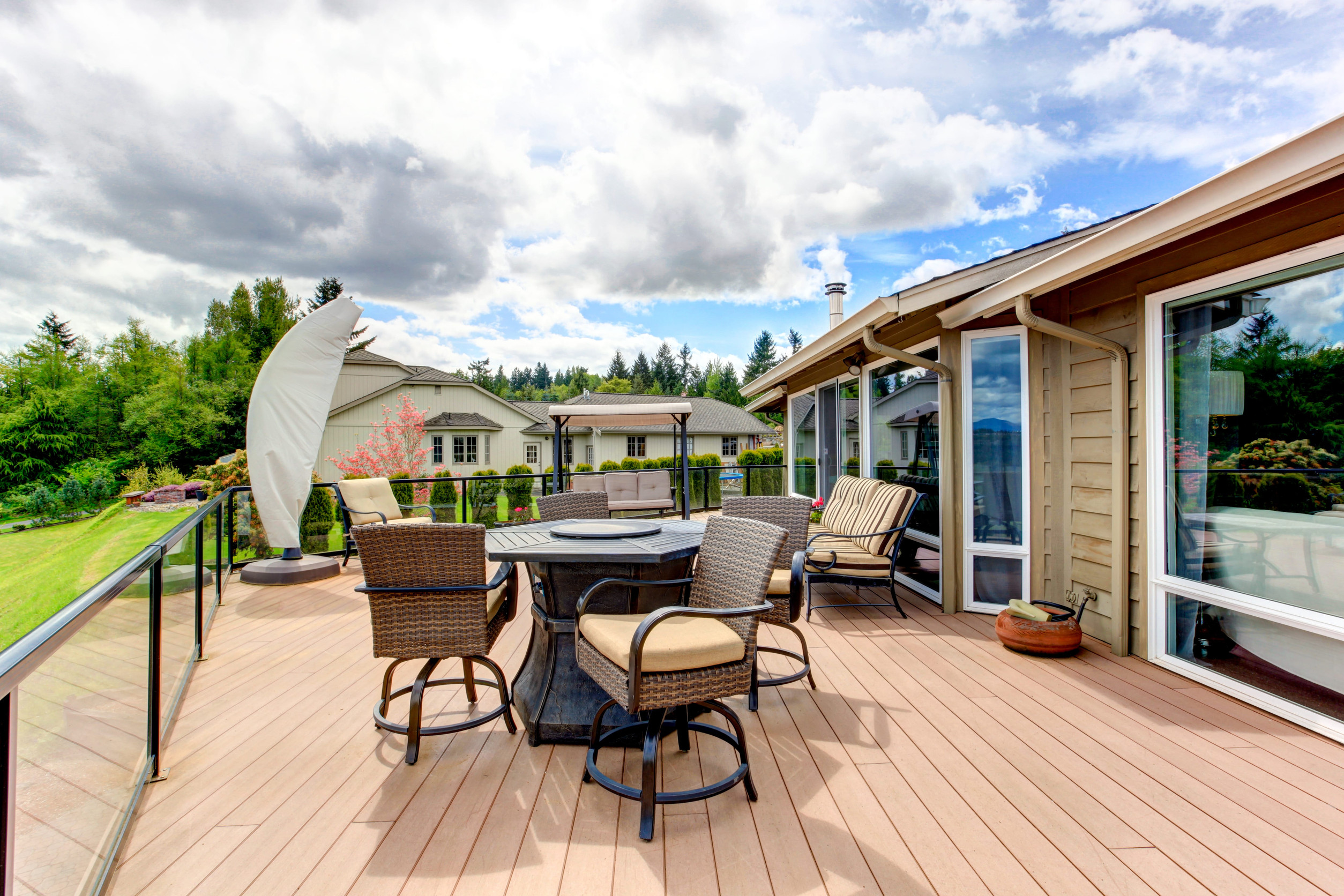
A deck is ready for summer when the boards are solid, the railings don’t move, and there’s no sign of rot, rust, or splintering wood. Loose railings, spongy boards, and wobbly stairs are the clearest warning signs that a deck needs attention before it holds another cookout or pool party. Below, we cover what to check, how heat and humidity wear a deck down, and when a small repair turns into something bigger.
What Warning Signs Mean Your Deck Needs Attention?
A deck that needs work usually shows it in the wood and the hardware first. Soft or spongy spots, popping nails, and gaps that weren’t there last year all point to a problem worth fixing before summer gatherings put more weight and traffic on the structure.
Here are the signs worth checking for on a walk around the deck:
- Boards that feel soft, spongy, or bounce slightly underfoot
- Nails or screws that have popped up above the board surface
- Gaps or separation between boards that keep growing
- Splintering, cracking, or graying wood that hasn’t been sealed in a while
- Rust stains bleeding out from screws or bolts
- Green or black mildew growth in shaded corners
- Stairs or railings that shift when you push on them
Any one of these on its own might be minor. Several at once usually means the deck has gone a season or two without upkeep.
How Sun and Heat Damage Wood and Composite Decking
As deck builders in Timonium, Maryland, we see this pattern play out on decks across the area every year. Maryland summers put real stress on outdoor structures, and decking is no exception. Wood decking loses moisture fast under direct sun, which causes the fibers to shrink, crack, and eventually splinter. Composite decking holds up better against rot, but it still expands and contracts with heat swings, and dark colored boards can get hot enough to soften slightly during peak afternoon sun.
Metal fasteners react to heat too. Screws and bolts expand when hot and contract when temperatures drop overnight, which slowly loosens their grip in the wood over a season. That’s part of why railings that felt solid in spring can start to wiggle by August. UV rays also bleach the natural color out of wood decking, which is why a deck that isn’t resealed regularly tends to look gray and tired within a couple of years, even without any structural damage.
Deck Board and Railing Safety Checks
Before hosting anyone on the deck this summer, we recommend running through a short hands-on inspection rather than just a visual one:
- Push and pull on every railing section to check for movement
- Check the spacing between balusters to make sure nothing has shifted loose
- Inspect where the deck attaches to the house, known as the ledger board, for gaps or water staining
- Look closely at every visible screw and bolt for rust or corrosion
- Step on each stair tread to check for flex or sagging
- Check under the deck for standing water or soft ground near the support posts
The ledger board connection is one of the most overlooked spots, and it’s also one of the most important. If water has been collecting where the deck meets the house, it can quietly weaken that connection long before any visible sagging shows up on top.
How Does Drainage Around the Deck Affect Its Lifespan?
Water that pools near a deck’s support posts or drips directly onto the surface from above speeds up rot far faster than rain alone. Clogged or poorly positioned gutters are a common culprit, since overflow tends to land right where a deck meets the house, soaking the ledger board and the siding around it every time it rains. Over a few seasons, that steady moisture exposure can weaken the wood long before any visible warping shows up on top.
Keeping gutters clear and properly angled away from the deck area is one of the simplest ways to protect the investment underneath. It’s also worth checking that the siding where the deck attaches hasn’t developed gaps or soft spots, since that’s another entry point for water to work its way behind the boards.
How Often Should a Deck Be Cleaned and Resealed in Maryland’s Climate?
Most decks in the Timonium and Lutherville area need a deep clean once a year and a fresh coat of sealant every one to two years, depending on sun exposure and the type of wood. Decks that get full sun most of the day tend to need resealing more often than shaded ones, since UV exposure breaks down the sealant faster than moisture alone.
Cleaning removes dirt, pollen, and mildew that trap moisture against the wood, which is what leads to rot over time. A pressure washer works for this, but it needs to be used carefully. Too much pressure held too close to the wood can strip fibers and leave the surface rougher than before, which actually makes it absorb water faster instead of shedding it.
Common Deck Repair Mistakes Homeowners Make
One of the most common mistakes is sealing over a board that’s already soft or rotting underneath. A fresh coat of stain can make a damaged board look fine on the surface while the problem keeps spreading below it. By the time it becomes obvious, the repair is often bigger than it would have been if it was caught early.
Another mistake is replacing rusted fasteners with whatever screws are on hand instead of matching them to the decking material. Composite decking, for example, needs specific fastener types to avoid staining or reacting with the material. Mixing metals can also speed up corrosion around the new fastener.
DIY railing repairs are another area where things go wrong. Railing height, baluster spacing, and load requirements are set by building code for a reason, and a quick fix that looks sturdy isn’t always built to hold up under real weight. This matters most on older decks that were built before current codes were in place.
When Does a Deck Need Professional Attention Versus a Simple Fix?
A loose screw, a small gap between two boards, or a spot that needs resealing are all reasonable to handle without calling in a contractor. Structural issues are a different story. Soft framing underneath the deck, a ledger board pulling away from the house, sagging stairs, or posts that have shifted in the ground all point to problems that go beyond the surface.
The general rule is this: if the issue is cosmetic and limited to the top layer of the deck, it’s usually safe to handle as a DIY project. If it involves the frame, the connection to the house, or anything load bearing, it’s worth having someone experienced take a look. A deck that looks fine on top can still have serious problems underneath, and those aren’t always visible until something gives way.
A quick way to gauge which category a repair falls into is to ask whether fixing it wrong could put weight-bearing safety at risk. Resealing a board or tightening a loose screw carries little downside if it’s done imperfectly. Rebuilding a section of frame or reattaching a ledger board without the right hardware and flashing is a different level of risk, and it’s usually worth getting a second opinion before starting.
How Regular Deck Maintenance Protects Your Home’s Value

A well kept deck does more than look good. It extends the life of the structure, reduces the chance of a costly rebuild, and keeps outdoor living space usable for years instead of just a season or two. For homeowners planning to sell down the road, a deck in solid condition is also one of the details buyers and inspectors notice quickly, since a neglected one raises questions about what else on the property might have been overlooked.
Staying ahead of small repairs is almost always less expensive than waiting until a full deck remodeling in Timonium, Maryland project becomes the only option. Catching a soft board or a loosening railing early keeps the deck safer for everyone using it and keeps the overall cost of ownership down over time.
Frequently Asked Questions
How much does deck repair typically cost in Maryland?
Costs depend on the size of the repair and the type of decking material involved, ranging from a simple board swap to a larger structural fix. Getting a written estimate before work begins is the best way to know what a specific repair will run.
Can I paint or stain over a rotted deck board?
No. Paint or stain only covers the surface and does nothing to stop rot underneath, which will keep spreading even though the board looks better temporarily. A rotted board needs to be replaced, not covered.
How long does a typical deck last with proper care?
Wood decks generally last 15 to 20 years with regular cleaning, sealing, and repairs, while composite decking can last 25 years or more. Skipping maintenance shortens both timelines significantly.
Should a professional inspect deck safety issues instead of a homeowner?
For anything involving the frame, footings, or the connection to the house, yes. Surface level issues like a loose railing bolt or a graying board are usually fine to check on your own, but structural concerns are worth a second set of trained eyes.
Keep Your Deck Safe All Summer Long
A deck that gets a yearly cleaning, a hands-on safety check, and prompt repairs when something looks off will hold up far better than one that only gets attention when a problem becomes obvious. Catching small issues early, whether it’s a loosening railing or a board that’s starting to soften, keeps summer gatherings safe and keeps repair costs from piling up down the road.
Homelife Roofing & Remodeling has spent years providing home remodeling in Timonium, Maryland, and keeping decks safe, solid, and ready for everyday use is a job we take just as seriously as any bigger project. From routine repairs to full deck installation in Timonium, Maryland, our team knows what to look for and how to fix it right the first time. If a deck inspection turns up more than a quick fix can handle, we’re glad to take a look and walk through the options with you. Call us at 410-864-0178 or schedule a free estimate to get started before the next round of summer plans.